
What is Ultrasound and How is it used in therapy
Learn about ultrasound therapy, its benefits and how it aids in pain relief, injury recovery and physical rehabilitation. Explore its role in modern treatments.
Shockwave therapy is a non-invasive treatment that utilizes high-energy acoustic waves to promote healing and reduce pain in various musculoskeletal
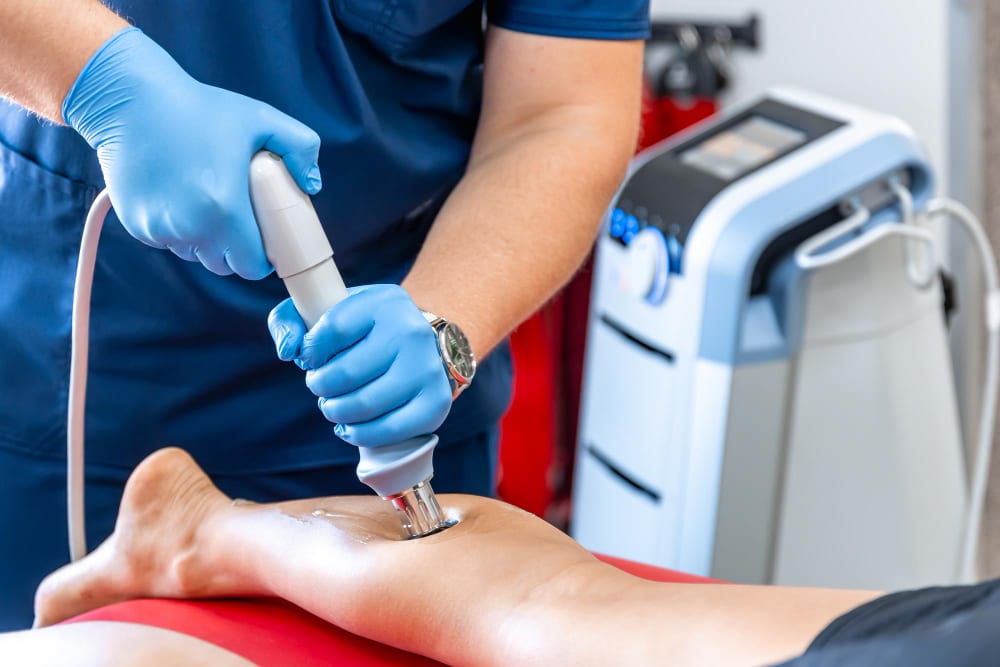
Shockwave therapy is a non-invasive treatment that utilizes high-energy acoustic waves to promote healing and reduce pain in various musculoskeletal conditions and soft tissue injuries. This therapy is also known as extracorporeal shockwave therapy (ESWT) or acoustic wave therapy.
Shockwave therapy works by delivering high-energy acoustic waves to the affected area, which triggers a series of physiological responses in the body. The mechanism of action is not fully understood, but it is believed that the acoustic waves stimulate the body’s natural healing processes by improving blood circulation, reducing inflammation, and accelerating tissue repair.
Shockwave therapy has been used to treat a wide range of musculoskeletal conditions and soft tissue injuries, including chronic tendinitis, plantar fasciitis, Achilles tendinopathy, tennis elbow, and non-healing wounds.
Before undergoing shockwave therapy, patients will typically be evaluated by a healthcare professional to determine if the treatment is appropriate for their condition. During the treatment session, high-energy acoustic waves are delivered to the affected area using a hand-held device.
Shockwave therapy offers several benefits, including pain relief, improved mobility, and a non-invasive alternative to surgery. The treatment can stimulate the body’s natural healing processes, leading to reduced inflammation and accelerated tissue repair.
While shockwave therapy is generally considered a safe and well-tolerated treatment, there are some potential risks and side effects, including pain or discomfort during the procedure, bruising, swelling, and temporary increase in pain or symptoms.
Extracorporeal Shockwave Therapy (ESWT) is a non-invasive medical treatment that uses shockwaves to promote healing in various musculoskeletal conditions. These shockwaves are high-energy sound waves that are directed at the affected area of the body, initiating a cascade of mechanical and cellular effects that lead to regeneration and healing of tissues (Schroeder et al., 2021).
ESWT works through several mechanisms, including:
ESWT has been used to treat a variety of musculoskeletal conditions, including:
ESWT is generally considered safe when performed by trained healthcare professionals. However, like any medical procedure, it carries some risks, including bruising, swelling, temporary pain, or discomfort during or after the treatment, and in rare cases, skin or nerve irritation, (Schroeder et al., 2021). It is essential to discuss potential risks and benefits with your healthcare provider before undergoing ESWT.
Numerous clinical studies have demonstrated the effectiveness of ESWT in treating various musculoskeletal conditions. For example:
Wang et al., (2015) found that the optimum treatment protocol is three treatment sessions at 1-week intervals, with the highest energy flux density the patient can tolerate and with 2000 impulses per session. However, the number of ESWT sessions required typically depends on the condition being treated and the individual patient’s response to treatment. Some patients may experience immediate pain relief after the first session, while others may require multiple sessions to achieve the desired results. Recovery time after ESWT is minimal, with most patients able to resume normal activities immediately after treatment.
ESWT may not be suitable for everyone, and there are certain contraindications and precautions to consider. These may include:
It is essential to consult with a healthcare professional to determine if ESWT is appropriate for your specific condition and medical history.
In conclusion, shockwave therapy has emerged as a highly effective and non-invasive treatment option for individuals grappling with a variety of musculoskeletal conditions and soft tissue injuries (Schroeder et al., 2021). By harnessing the power of high-energy acoustic waves, this innovative therapy stimulates the body’s natural healing processes, leading to remarkable outcomes in terms of reduced pain, improved mobility, and accelerated tissue repair.
The growing body of scientific evidence and clinical studies underscores the efficacy of shockwave therapy in addressing a wide range of musculoskeletal issues, from chronic tendinitis to non-healing wounds. As this treatment continues to gain recognition and accessibility, more and more Canadians can look forward to experiencing the transformative benefits it offers, ultimately regaining their quality of life and returning to an active, pain-free lifestyle.
While shockwave therapy may not be the solution for every musculoskeletal condition, it undoubtedly represents a significant advancement in the field of non-invasive pain management and rehabilitation. As healthcare professionals and patients alike continue to explore and embrace this innovative approach, the future of shockwave therapy in Canada remains bright, offering new hope and possibilities for those seeking relief from various musculoskeletal ailments.
Moya-Angeler J., Valentí-Nin JR, Morcillo-López N, Forcada-Guex JM. (2020). Extracorporeal shockwave therapy in the treatment of plantar fasciitis: a meta-analysis of randomized controlled trials. Cureus, 12(4): e8385. doi:10.7759/cureus.8385.
Rompe J. D., Meurer A., Nafe B., & Hofmann A. (2002). Repetitive low-energy shock wave application without local anesthesia is more efficient than repetitive low-energy shock wave application with local anesthesia in the treatment of chronic plantar fasciitis. Journal of Orthopaedic Research, 20(4), 888-893.
Schmitz C., Császár N. B., Milz S., Schieker M., Maffulli N., & Rompe J. D. (2013). Efficacy and safety of extracorporeal shock wave therapy for orthopedic conditions: a systematic review on studies listed in the PEDro database. British Medical Bulletin, 106(1), 115–138.
Schroeder, Allison N. MD1; Tenforde, Adam S. MD2; Jelsing, Elena J. MD3. Extracorporeal Shockwave Therapy in the Management of Sports Medicine Injuries. Current Sports Medicine Reports 20(6):p 298-305, June 2021. | DOI: 10.1249/JSR.0000000000000851
Wang CJ, Chen HS, Chen CE, Yang KD. (2012). Treatment of lateral epicondylitis of the elbow with shock waves. Journal of Orthopaedic Surgery and Research, 7:11. doi:10.1186/1749-799X-7-11.
Learn about ultrasound therapy, its benefits and how it aids in pain relief, injury recovery and physical rehabilitation. Explore its role in modern treatments.
Explore naturopathic medicine: a science-based approach using natural therapies to address root causes and enhance overall wellness. Learn how it works!
Explore how custom knee braces offer pain relief, stability, and injury prevention—designed to support your active lifestyle. Learn more on our 360 health blog.
Book online, or call the clinic and we’ll help you find the right practitioner.